
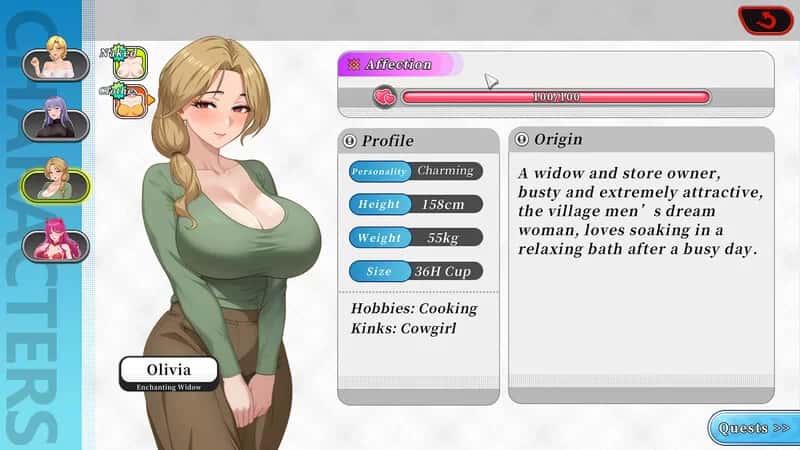
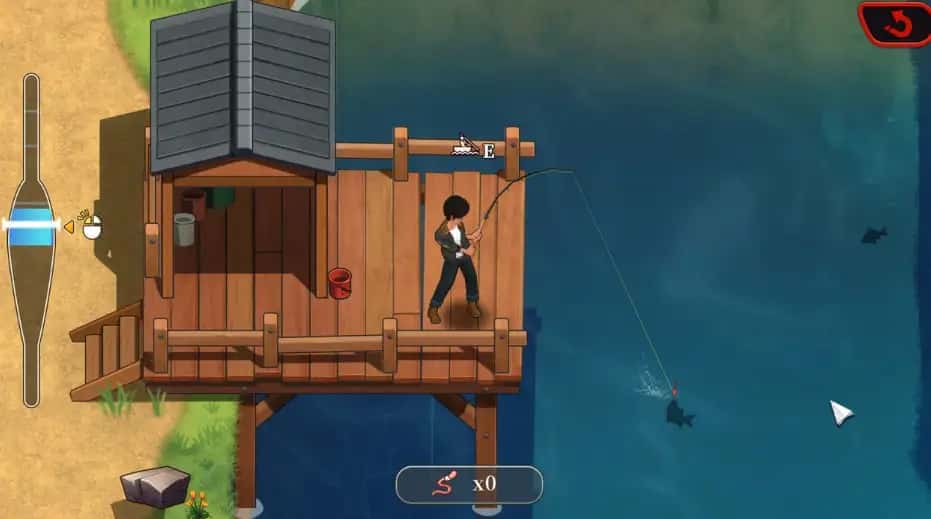
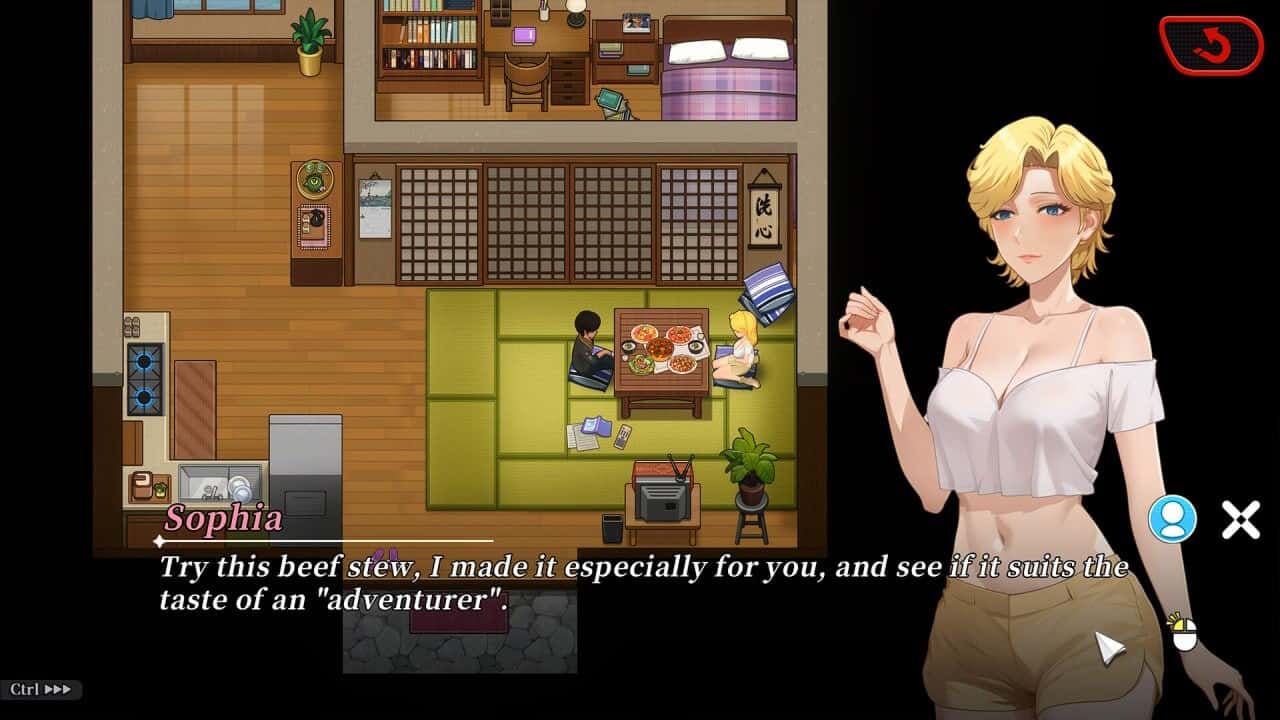
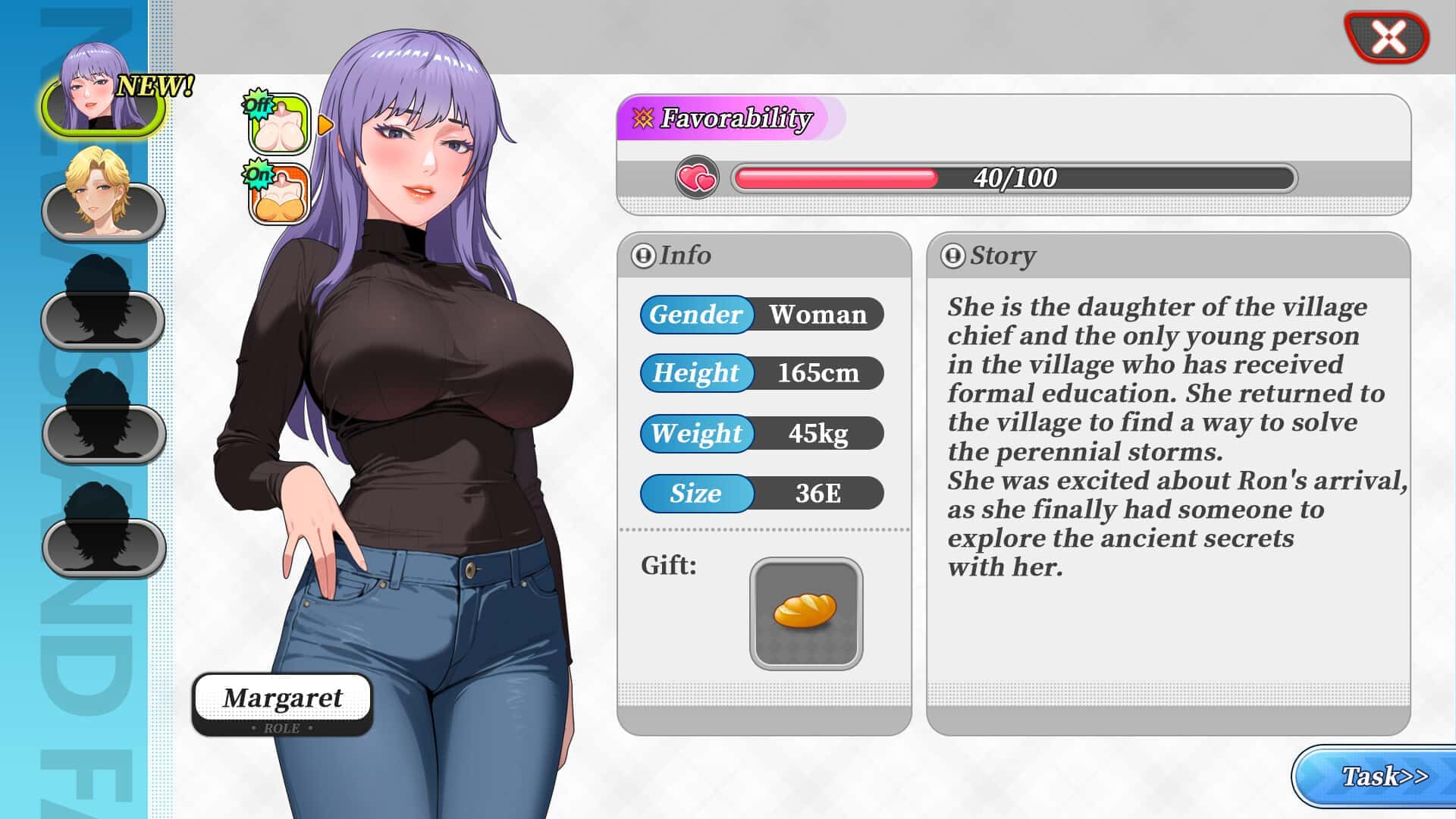
游戏截图
游戏简介 探索神秘岛屿奇遇,开启奇幻冒险之旅 精美制作品质 《幸福岛幻想》是一款国产奇幻题材的冒险解谜游戏,以精美的制作呈现主角意外流落神秘岛屿并探索其秘密的故事。 沉浸式体验 扮演冒险家罗恩,海难后流落与世隔绝的'幸福岛'。等待离开时机,探索岛屿奥秘,结识当地居民,了解岛屿文化。 选择驱动剧情 你的互动选择将引导故事发展,揭开风暴之谜,寻找远古宝藏!官方中文呈现,带来纯正的游戏体验。 游戏特色 四大核心特色,打造独特的游戏体验 沉浸式冒险叙事 体验以选择驱动的故事发展,与岛上居民建立友谊,影响剧情走向。每一个决定都将改变你的冒险轨迹。 奇幻岛屿探索 探索名为"幸福岛"的神秘岛屿环境,揭开其隐藏的秘密与远古传说。每个角落都充满惊喜和发现。 多元角色互动 结识岛上多位性格鲜明的角色,通过与他们的互动了解岛屿文化和各自的故事背景。 秘密与宝藏发现 在岛上居民的帮助下,逐步解开笼罩岛屿的风暴之谜,并探寻失落的远古宝藏。 游戏故事 一段关于冒险、友谊与发现的奇幻旅程 冒险家罗恩带领的探险小队在调查神秘的风暴漩涡时遭遇海难。罗恩被海浪冲上一座几乎与世隔绝的岛屿——"幸福岛"。 村长告知他,离开岛屿需等待特定的"祭祀日"。在等待期间,罗恩暂居岛上,并结识了包括村长女儿在内的几位岛上居民。 通过与他们的交流和帮助,罗恩不仅融入了岛上的生活,更深入探索了岛屿的秘密,最终揭开了风暴的真相并发现了埋藏已久的远古宝藏。
核心特性
探索游戏的强大功能
版本控制完整
游戏版本持续更新维护
性能优化极致
底层引擎深度优化调校
系统高度集成
模块化架构无缝整合
游玩教程
掌握核心玩法技巧
建造系统攻略
建造系统是游戏的核心玩法之一,掌握基础建造技巧能让你快速上手。
工具准备与升级
建造前需要准备基础工具:锤子、锯子、螺丝刀、钻头等。工具等级越高,建造效率越高。
初级工具:适合建造简单结构,耐久度较低
中级工具:建造速度提升30%,可建造更复杂结构
高级工具:建造速度提升60%,解锁特殊建造选项
工具维护:定期修理工具,保持最佳状态,延长使用寿命
规划布局策略
建造前先规划好房间布局,考虑功能分区、采光通风、动线设计等因素。
功能分区:将起居、休息、储物、工作区域合理划分
动线优化:确保各区域之间移动便捷,避免迂回路线
采光设计:窗户朝向优先选择东南方向,最大化自然光利用
通风考量:保证空气流通,设置合理的门窗位置
扩展预留:预留未来扩建空间,避免后期改造困难
材料管理技巧
合理分配建造材料,优先建造基础结构,再逐步完善装饰细节。
材料收集:每日定时采集资源,建立稳定的材料供应链
仓库管理:分类存储材料,标记常用和稀有资源
优先级排序:优先建造墙体、屋顶等基础结构,再添加装饰
节约使用:计算所需材料量,避免浪费和重复建造
回收利用:拆除旧建筑可回收部分材料,减少成本
时间安排建议
建造需要时间,合理安排建造顺序,避免同时进行多个大型项目。
分阶段建造:将大型工程分解为多个小阶段,逐步完成
并行小项目:在大型建造间隙,完成小型装饰项目
天气影响:注意天气变化,雨天不适合户外建造
体力管理:建造消耗体力,合理安排休息和补给时间
家具搭配指南
家具搭配是打造温馨家园的关键,合理的搭配能让你的家更加舒适美观。
风格统一原则
选择统一的装修风格,如北欧风、田园风、现代简约风等,保持整体协调。
北欧风格:以白色、浅木色为主,强调简洁和功能性
田园风格:运用碎花、原木、藤编元素,营造自然温馨氛围
现代简约:线条简洁,色彩单纯,注重空间利用
复古风格:使用深色木质家具,搭配金属装饰,展现怀旧气息
混搭技巧:在主风格基础上,适度融入其他元素增加层次
色彩搭配艺术
运用色彩心理学,选择和谐的色彩搭配,营造不同的空间氛围。
暖色系:红、橙、黄营造温暖热情的氛围,适合起居室
冷色系:蓝、绿、紫营造宁静放松的氛围,适合卧室
中性色:灰、白、米色百搭实用,适合作为基础色
色彩比例:建议主色60%、辅色30%、点缀色10%
对比与和谐:运用互补色增加活力,相邻色保持和谐
照明设计方案
合理布置照明设备,结合自然光和人工照明,创造舒适的光环境。
主照明:天花板吊灯或吸顶灯,提供基础照明
辅助照明:壁灯、台灯、落地灯,增加局部照明
氛围照明:灯带、小夜灯,营造温馨氛围
光源选择:暖光适合休息区,白光适合工作区
智能控制:设置不同场景模式,一键切换照明方案
绿植装饰要点
添加室内绿植,既能净化空气,又能增加自然气息,让家更有生机。
客厅大型绿植:龟背竹、琴叶榕、天堂鸟,提升空间格调
桌面小型绿植:多肉植物、小盆栽,点缀工作区域
卧室净化植物:虎皮兰、吊兰,夜间释放氧气
养护技巧:根据光照需求放置,定期浇水修剪
搭配花盆:选择与家具风格相配的花盆,提升整体美感
装饰技巧大全
装饰是让家园更加温馨的重要环节,掌握这些技巧能让你的家更加美丽。
墙面装饰创意
选择合适的墙面装饰,如挂画、照片墙、装饰画等,增加空间层次感。
挂画选择:根据房间功能选择主题,客厅选风景画,卧室选静物画
照片墙布局:采用对称或不规则布局,讲述生活故事
墙贴应用:使用可移除墙贴,方便更换季节装饰
挂置高度:画作中心线与视线平齐(约1.6米),观赏最舒适
墙面收纳:利用装饰架、挂钩,兼顾美观和实用
地面装饰选择
铺设地毯、地垫等地面装饰,既能保护地面,又能增加舒适度。
地毯尺寸:客厅地毯应覆盖主要家具区域
材质选择:羊毛地毯温暖舒适,化纤地毯易于清洁
图案搭配:素色家具搭配花纹地毯,花纹家具搭配素色地毯
功能地垫:入口处放置防滑地垫,厨房使用防油地垫
清洁保养:定期除尘吸尘,及时处理污渍
小物件摆放艺术
摆放一些精致的小物件,如花瓶、摆件、书籍等,增加生活气息。
三角构图法:三个不同高度的物件组合,视觉更稳定
对称摆放:两侧对称摆放相同或相似物件,营造正式感
层次叠加:前中后景层次分明,增加空间深度
留白艺术:避免摆放过满,适当留白让空间呼吸
主题收藏:按主题展示收藏品,如旅行纪念、手工艺品
季节装饰变换
根据季节变化调整装饰,如春季的鲜花、夏季的清凉装饰等。
春季装饰:鲜花、嫩绿色抱枕、轻薄窗帘,营造生机
夏季装饰:冷色调布艺、竹编制品、薄纱蚊帐,带来清凉
秋季装饰:暖色调毛毯、干花装饰、南瓜摆件,温暖舒适
冬季装饰:厚重窗帘、毛绒靠垫、暖光照明,抵御寒冷
节日主题:根据节日更换特色装饰,增加仪式感
种植系统完全指南
种植系统是游戏的重要玩法,掌握基础种植技巧能让你获得丰收的喜悦。
浇水技巧精讲
根据作物需求合理浇水,注意观察土壤湿度,避免过度浇水或干旱。
观察土壤:手指插入土壤2厘米,干燥则需浇水
浇水时间:清晨或傍晚浇水最佳,避免中午高温蒸发
浇水方式:根部浇水为主,避免叶面积水导致病害
水量控制:浇透但不积水,确保根系充分吸收
不同季节:夏季增加浇水频率,冬季减少浇水次数
光照管理策略
不同作物对光照需求不同,合理安排种植位置,确保作物获得充足光照。
全日照作物:西红柿、辣椒、玉米需6-8小时直射光
半日照作物:草莓、生菜需4-6小时光照
耐阴作物:菠菜、韭菜可在阴凉处生长
人工补光:使用生长灯为室内作物补充光照
遮阳措施:夏季强光时使用遮阳网保护幼苗
病虫害防治方法
定期检查作物健康状况,及时处理病虫害问题,使用有机防治方法。
预防为主:保持通风、合理密植、轮作换茬
物理防治:手工捕捉害虫、设置粘虫板、防虫网
生物防治:引入瓢虫等益虫,使用生物农药
早期识别:叶片变色、枯萎、虫洞是病虫害信号
隔离处理:发现病株及时隔离,防止蔓延
生长周期规划
了解不同作物的生长周期,合理安排种植时间,实现连续收获。
短期作物:萝卜、小白菜30-40天收获,适合快速周转
中期作物:西红柿、黄瓜60-90天,收益稳定
长期作物:果树需数月甚至数年,长期投资
接茬种植:前一批收获后立即种植下一批,提高土地利用率
季节规律:春播夏收、秋播冬收,遵循自然规律
作物种植详解
不同作物有不同的种植要求,掌握这些指南能让你成为种植专家。
蔬菜类作物
蔬菜类作物生长周期短,适合新手种植,如胡萝卜、白菜、西红柿等。
胡萝卜:播种深度1-2cm,保持土壤疏松,70天左右收获
白菜:喜冷凉气候,需充足水分,50-60天收获
西红柿:需支架支撑,定期修剪侧枝,80-100天收获
黄瓜:搭设棚架,及时采摘,保持连续结果
辣椒:喜温暖,避免积水,果实变色后采收
水果类作物
水果类作物需要较长时间,但收益较高,如苹果、橙子、草莓等。
草莓:适合盆栽,需肥沃土壤,春秋两季结果
蓝莓:喜酸性土壤,定期修剪,2-3年进入盛果期
葡萄:需搭架引蔓,夏季修剪,3-4年稳定产果
苹果树:需充足阳光,冬季修剪,4-5年开始结果
柑橘类:喜温暖湿润,注意防寒,3-4年挂果
花卉类作物
花卉类作物主要用于装饰,能提升岛屿美观度,如玫瑰、向日葵等。
玫瑰:定期修剪,花后追肥,四季可开花
向日葵:播种简单,喜阳光,70-80天开花
薰衣草:耐旱,排水良好,花期可制作干花
郁金香:秋季种球,春季开花,花后挖出保存
百合:种球种植,花大色艳,适合切花
树木类作物
树木类作物生长周期最长,但能提供持续收益,如果树、观赏树等。
果树培育:选择适合气候的品种,嫁接可提早结果
观赏树木:樱花、银杏等,提升岛屿景观价值
经济树木:椰子树、橡胶树,可长期采集资源
修剪技术:春季修剪促生长,夏季修剪控制树形
病虫防治:定期检查树干和叶片,及时处理病虫害
动物养殖系统
动物是岛屿生活的重要组成部分,学会照顾动物能让你获得更多乐趣。
喂食管理规范
根据动物种类提供合适的食物,注意营养搭配,保持动物健康。
鸡类:提供谷物、蔬菜、钙质补充,保证产蛋质量
兔子:新鲜草料为主,适量蔬菜水果,充足饮水
羊类:草料、干草、矿物盐,分早晚两次喂食
定时定量:建立固定喂食时间,避免暴饮暴食
食物储存:保持饲料干燥通风,防止霉变
住所建设标准
为动物建造舒适的住所,考虑空间大小、通风条件、清洁便利性等。
空间规划:每只动物预留充足活动空间,避免拥挤
通风设计:设置通风口,保持空气流通,减少异味
保温措施:冬季加厚垫料,夏季增加遮阳设施
清洁系统:设计易于清理的结构,保持环境卫生
安全防护:加固围栏,防止野生动物入侵
情感培养技巧
经常与动物互动,培养感情,提高动物亲密度,获得更多奖励。
日常互动:每天抚摸、呼唤动物名字,建立信任
零食奖励:表现良好时给予喜爱的食物作为奖励
玩耍时间:陪伴动物玩耍,增进感情
观察行为:了解动物习性和喜好,针对性互动
亲密度效果:亲密度高的动物产出更优质产品
健康管理体系
定期检查动物健康状况,及时治疗疾病,保持动物活力。
日常观察:注意动物精神状态、食欲、排泄情况
疾病预防:保持环境清洁,定期消毒,避免传染病
常见疾病:腹泻、感冒、寄生虫等,及时发现及时治疗
健康档案:记录每只动物的健康状况和治疗历史
兽医求助:遇到严重疾病及时寻求专业帮助
社交系统攻略
社交是游戏的重要玩法,掌握社交技巧能让你结识更多朋友。
初次见面礼仪
主动与其他玩家打招呼,展示友好态度,建立初步联系。
主动问候:使用友好表情和问候语开启对话
自我介绍:简单介绍自己的游戏进度和兴趣方向
倾听为主:认真倾听对方分享,表现出真诚兴趣
赞美鼓励:真诚赞美对方的成就和创意
留下印象:通过独特的个性装扮让人记住你
交流技巧进阶
学会倾听和表达,分享游戏经验,参与话题讨论。
经验分享:主动分享游戏心得,帮助新手玩家
提问技巧:通过提问了解对方需求,提供针对性帮助
话题延续:找到共同兴趣点,深入交流探讨
幽默感:适度使用幽默,活跃交流氛围
及时回应:保持对话互动,避免长时间无回应
团队合作要领
参与团队活动,共同完成任务,培养团队精神。
分工协作:根据各自特长分配任务,提高效率
资源共享:互通有无,共享稀有材料和资源
互帮互助:主动帮助队友,共同应对挑战
沟通协调:遇到分歧及时沟通,寻求最佳方案
庆祝成功:完成任务后共同庆祝,增进友谊
隐私保护意识
在社交过程中注意保护个人隐私,避免泄露敏感信息。
信息保护:不透露真实姓名、地址、电话等个人信息
账号安全:不与他人共享账号密码
谨慎交易:通过官方渠道进行物品交易,防止诈骗
举报机制:遇到不良行为及时举报,维护游戏环境
适度社交:合理安排游戏时间,平衡虚拟与现实生活
开始游戏
立即获取完整游戏体验